IRVINE, Calif. — For patients battling glioblastoma, one of the most aggressive and deadly forms of brain cancer, survival often comes at a steep price. The standard combination of radiation and chemotherapy that extends life can leave survivors struggling with “chemobrain” — persistent memory problems, mental fog, and reduced quality of life that may worsen over time.
Now, scientists at the University of California, Irvine have identified a promising way to protect the brain without compromising cancer treatment. In a new study, researchers showed that microscopic particles called extracellular vesicles, or EVs, derived from human neural stem cells can reduce inflammation, preserve brain connections, and improve memory and cognitive function in a preclinical model.

The Hidden Toll of Life-Saving Treatment
Glioblastoma is a fast-growing brain tumor with a grim prognosis. The current standard of care, known as the Stupp protocol, combines intense radiation with the chemotherapy drug temozolomide. While effective at shrinking tumors, this regimen frequently damages healthy brain tissue.
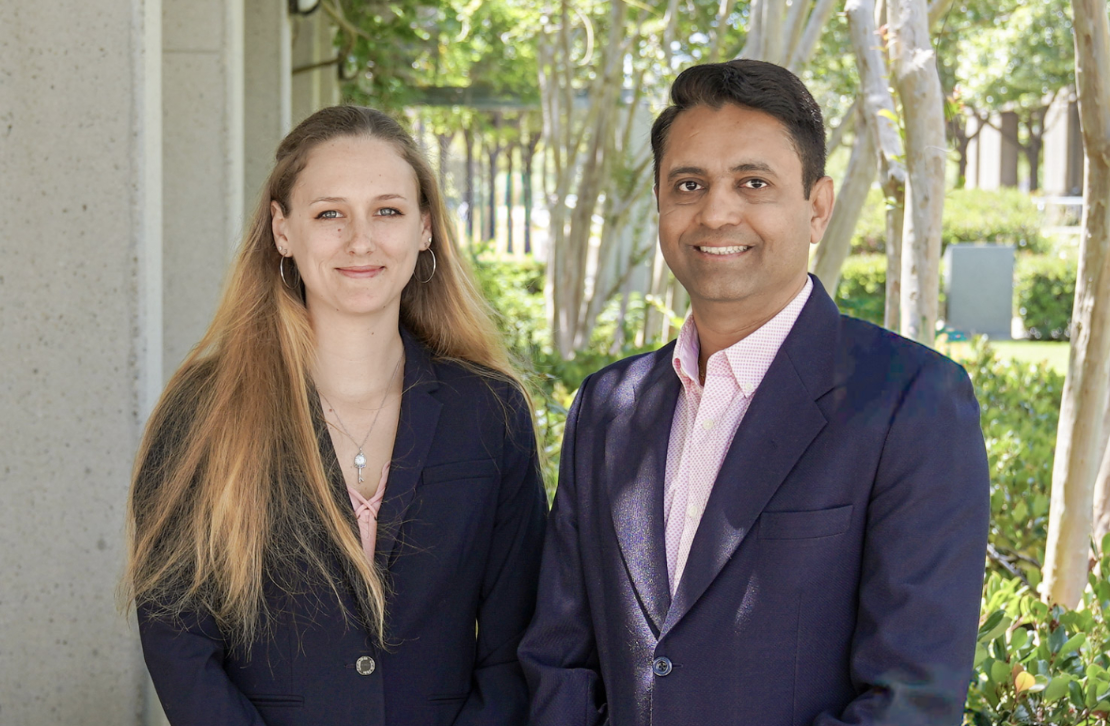
“The standard radiation and chemotherapy treatments for glioblastoma leave patients with progressive, long-term cognitive side effects that significantly impact quality of life,” said Casey Hudson, a PhD candidate in UC Irvine’s Department of Anatomy & Neurobiology and lead author of the study. These effects include heightened brain inflammation and disruptions in the brain’s ability to form and recall memories.
Hudson conducted the research under the guidance of her advisor, Munjal M. Acharya, PhD, an associate professor of anatomy & neurobiology and radiation oncology.
Tiny Messengers With Big Therapeutic Potential
The solution lies in extracellular vesicles — nano-scale particles naturally released by neural stem cells as they grow. These tiny packages act like cellular delivery trucks, carrying proteins, RNA molecules, and other beneficial “cargo” that help regulate the brain’s environment.
In the study, published May 2026 in the journal Cancer Letters, researchers tested EVs in mice subjected to the same chemoradiation regimen used in human glioblastoma patients. The results were encouraging:
- EV treatment improved cognitive performance and memory.
- It increased synaptic density — the vital connections between brain cells that support learning and recall.
- It reduced harmful inflammation in healthy brain tissue surrounding the tumor.
- Most importantly, the EVs did not interfere with the ability of radiation and chemotherapy to kill cancer cells or reduce tumor volume.
“Neural stem cells, as they grow and proliferate, release nano-scale particles known as extracellular vesicles, or EVs,” Hudson explained.
A Non-Invasive Approach
Unlike some experimental therapies that require invasive procedures, the EVs were administered through simple systemic injections. This makes the approach potentially more practical for future clinical use.
Acharya emphasized the broader significance: “The cognitive side effects resulting from cancer treatments is a well-known, widespread issue that currently has no effective clinical intervention. Our findings are a step toward a long-term treatment of cancer-related cognitive impairment.”
What’s Next?
The research team plans to expand their work in several directions. They intend to test the EVs in models of “chemobrain” from other cancers, such as breast cancer, where survivors also report lasting cognitive difficulties. They will also delve deeper into the specific RNA molecules (called miRNAs) inside the EVs that appear to activate protective genes in the brain.
The study was funded by the California Institute for Regenerative Medicine (CIRM), which supports innovative stem cell and regenerative research.
A Balancing Act in Cancer Care
This work addresses a growing recognition in oncology: surviving cancer is only part of the battle. For many patients, especially those with brain tumors, preserving mental sharpness and daily functioning is equally critical.
While the findings are still in the preclinical stage and human trials remain years away, the approach represents an elegant solution to a difficult problem, protecting the brain while still aggressively attacking the cancer.
For glioblastoma patients and their families, it offers something precious: hope that one day they may beat the tumor without losing a piece of themselves in the process.