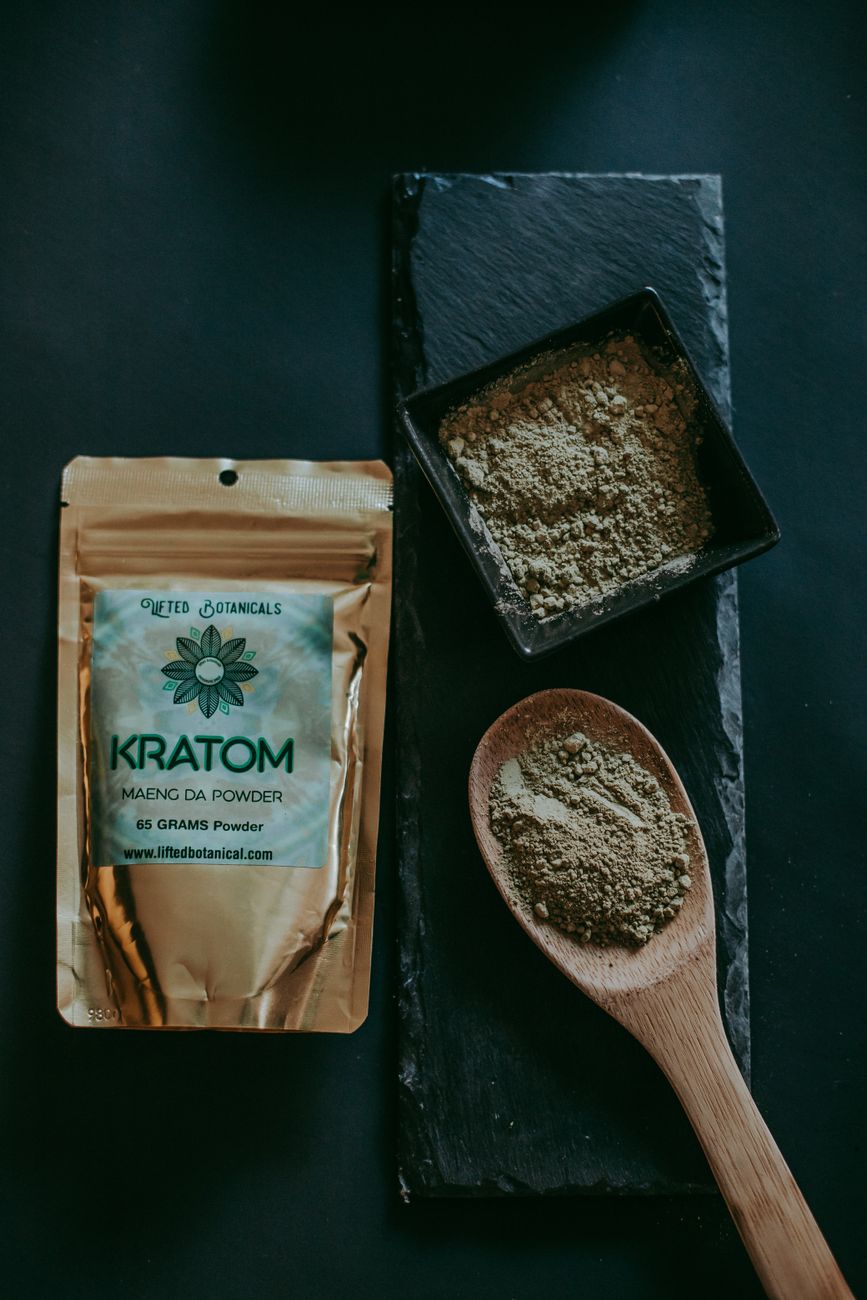
LA HABRA — City officials are preparing to consider bans on the sale of kratom and recreational nitrous oxide, commonly known as “whippets” or “galaxy gas,” while extending a moratorium on new smoke shops amid concerns over their rapid growth and potential harm to youth, according to reporting today by the Voice of OC.
At Monday’s City Council meeting, Mayor Jose Medrano and other members directed staff to research the issues and return with proposed ordinances. The discussion follows similar actions by other Orange County cities and the county itself.
“I don’t want to kick the can down the road too far down, but I would like to see it addressed, and the DEA might actually do that for us,” Medrano told the Voice of OC.
California’s crackdown on kratom
California has not moved to a single, blanket statewide “kratom ban,” but state regulators have been enforcing a broad crackdown on kratom and 7-OH products sold for consumption.
Gov. Gavin Newsom’s office said California businesses were 95% compliant after removing 3,308 illicit kratom and 7-OH products from shelves.
The California Department of Public Health has said kratom and 7-OH products are not legal to sell or manufacture as food, dietary supplements or medical drugs in the state.
Local government bans
Los Angeles County’s public-health department told retailers to stop selling kratom-related 7-OH products and began enforcement actions to remove them from stores. The county approved a motion tied to kratom-related deaths, after county officials said seven fatal overdoses had been associated with kratom and 7-OH since January 2025.
Orange County cities have been especially active, with reporting that Stanton, Tustin, Newport Beach and the City of Orange adopted bans on kratom sales.
Orange County’s broader approach has also included ordinances targeting products with more than 2% 7-OH and rules aimed at age verification, packaging and marketing to minors.
San Mateo County supervisors introduced an ordinance in April that would ban kratom sales in unincorporated areas, calling it a major public-health risk.
Background on kratom and 7-OH
Kratom is a Southeast Asian plant that can produce stimulant-like effects at low doses and opioid-like effects at higher doses, which is why it has drawn attention from regulators and public health officials. The FDA has warned that kratom use can carry risks of dependence, withdrawal, liver toxicity, seizures and substance use disorder, and it has said kratom is not lawfully marketed in the U.S. as a drug, dietary supplement or food additive.
7-hydroxymitragynine, or 7-OH, is a compound naturally found in kratom in trace amounts, but regulators say concentrated or “enhanced” 7-OH products are a separate and more dangerous problem. The FDA has described 7-OH products as potent opioid products that can be more potent than morphine, with reported harms including addiction, anxiety, insomnia, seizures and respiratory depression.
Current FDA regulations
As of now, the FDA’s position is that kratom is not lawfully marketed in the United States as a drug product, dietary supplement, or conventional food additive, and the agency continues to warn consumers about safety risks. For 7-OH, the FDA has said concentrated products containing 7-hydroxymitragynine are not lawful in dietary supplements or foods, and it has warned that they are being marketed as unapproved drugs.
The legal picture for 7-OH shifted further in July 2026, when the DEA announced it was moving to temporarily place 7-hydroxymitragynine and related substances into Schedule I, the strictest federal drug category, while explicitly excluding natural kratom leaf with only trace amounts below the threshold. In practical terms, that means concentrated or synthetic 7-OH products are facing federal controlled-substance treatment, while natural kratom leaf remains in a separate and more contested regulatory category.
“Whippets”
Nitrous oxide “whippets” are small canisters of compressed nitrous oxide, a gas that is normally used in whipped-cream dispensers and medical settings, but is sometimes inhaled for a brief euphoric high. The gas reaches the brain within seconds and can create a short-lived feeling of detachment, laughter, or dizziness.
People commonly misuse it by cracking the canister and inhaling the gas directly or by filling a balloon and breathing it in from there. Because the high fades quickly, users may repeat the process many times in one sitting, which increases the risk of injury and oxygen deprivation.
The dangers range from immediate to long-term. Short-term effects can include confusion, loss of balance, slurred speech, unconsciousness, and accidents from impaired coordination; the gas can also displace oxygen and, in severe cases, cause death by asphyxia. Compressed gas can also cause frostbite to the mouth, throat, hands, or other tissues when released under pressure.
Repeated use can be especially harmful because nitrous oxide can inactivate vitamin B12, which may lead to nerve damage, numbness, trouble walking, anemia, and spinal cord injury. Public health and medical sources also warn about barotrauma, including lung rupture and related chest complications, among heavy users.