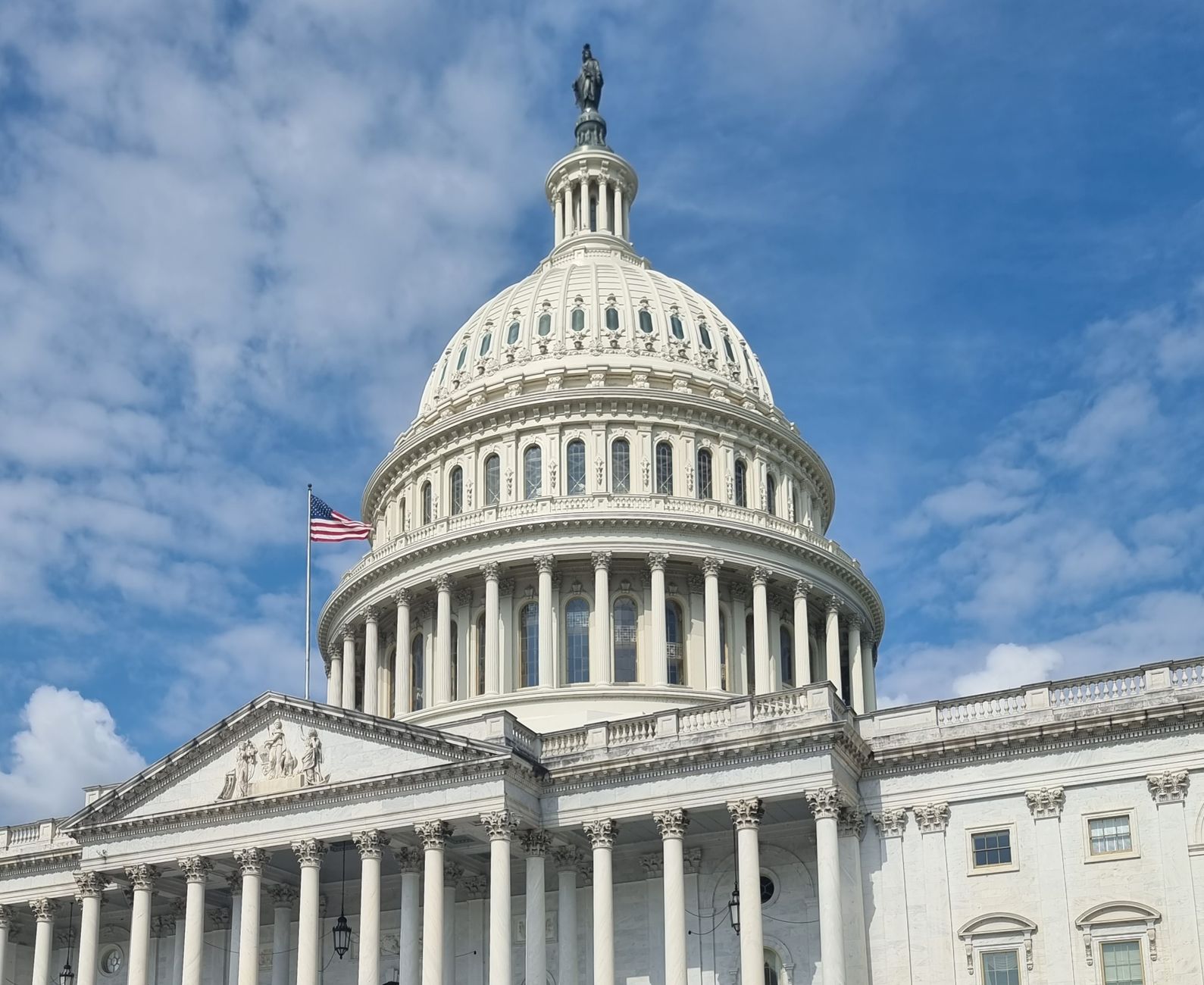
WASHINGTON — The House and Senate will return to Washington this week facing a dense lineup of floor business that highlights the competing pressures on Congress: shoring up small businesses and veterans’ services, advancing housing and infrastructure policy, and laying down early markers for the 2027 federal budget.
In the House, leaders have mapped out a Tuesday‑through‑Friday workweek built around an unusually heavy slate of small‑business legislation and the first major appropriations measures for the coming fiscal year. The Senate, meanwhile, will convene Monday afternoon to resume work on a sweeping housing and infrastructure measure, the 21st Century ROAD to Housing Act, while also preparing for votes on at least one foreign‑policy nomination and a concurrent resolution that is expected to draw an extended debate.
House turns to small business and early appropriations
The House is scheduled to gavel in on Tuesday, with members returning at noon for morning‑hour speeches and resuming legislative business at 2 p.m., and votes postponed until the early evening. The chamber will continue in session through Friday, with morning starts and votes anticipated each day, according to the schedule released by House leadership.
Tuesday will be dominated by a series of noncontroversial measures taken up under suspension of the rules, a fast‑track procedure that signals broad bipartisan backing. The agenda is expected to feature a cluster of small‑business bills dealing with disaster loans, fraud prevention, cybersecurity and the use of artificial intelligence by the Small Business Administration, among other issues. For lawmakers in both parties, many of whom have faced pressure back home over pandemic‑era fraud and uneven disaster recovery, those measures offer a politically safe way to show they are tending to Main Street.
Later in the week, the House plans to pivot toward more contentious items, including the first 2027 appropriations bills to reach the floor. The schedule anticipates debate on the National Security, Department of State and Related Programs Appropriations Act, as well as the Energy and Water Development and Related Agencies Appropriations Act, giving members their first chance this year to spar over the size and shape of President Donald J. Trump’s budget priorities and the broader direction of U.S. foreign and energy policy. Another marquee item, the Take Care of America’s Veterans Act, is slated to come to the floor under a structured rule, setting up a focused but likely emotional debate over how far Congress should go to address wait times, benefits backlogs and long‑running deficiencies at the Department of Veterans Affairs.
While leadership has signaled that these are the anchor bills for the week, the schedule leaves ample room for additions. The House’s official “Bills This Week” and day‑of floor summaries are expected to carry updates as party leaders adjust to late‑breaking negotiations, procedural delays or emerging crises that can reorder the lineup with little public notice. For members and advocates alike, that means the week’s outline is less a fixed blueprint than a working draft.
Senate resumes housing push and eyes foreign‑policy role
Across the Capitol, the Senate will reconvene Monday at 3 p.m. following a long weekend recess, with a single major bill already waiting on the floor. When senators return, they are expected to resume consideration of the House message on H.R. 6644, the 21st Century ROAD to Housing Act, a measure that combines housing assistance with transportation and infrastructure investments and has drawn close scrutiny from both fiscal conservatives and housing advocates.
A key vote is scheduled for about 5:30 p.m., when the chamber is poised to vote on a motion to concur in the House’s changes to the bill, with an amendment by Senator Tim Scott of South Carolina serving as the operative text. The outcome will determine whether the measure moves forward in the Senate’s form or whether additional negotiations with the House will be required, a test of the fragile alliances that have formed around the legislation. For Democratic and Republican leaders, the vote offers an early window into how cooperative their ranks will be on complex domestic policy in the coming months.
Beyond the housing bill, the Senate is planning to dip into its executive calendar to take up at least one foreign‑policy nomination. At a time agreed upon by party leaders, senators are expected to turn to the nomination of Darrell Owens of Pennsylvania to serve as U.S. Representative to the Organization for Security and Cooperation in Europe. The post, though little noticed outside foreign‑policy circles, carries symbolic weight at a moment when the United States has sought to reassure European allies of its commitment to trans‑Atlantic security and democratic norms. A confirmation vote is expected following a brief debate.
A concurrent resolution and the limits of the calendar
The Senate’s week will also feature debate on a concurrent resolution — H.Con.Res. 86 — that leaders have agreed to bring to the floor with six hours of evenly divided debate time. While concurrent resolutions do not carry the force of law, they often serve as vehicles for statements of congressional intent or as tests of partisan discipline on politically charged issues. This one is expected to be no exception, with senators using the extended debate to sharpen contrasts ahead of the summer’s heavier legislative fights.
Even as those broad contours are set, both chambers are likely to confront the familiar constraints of the congressional calendar. The Senate’s leadership has signaled that the precise timing of later‑week votes on H.R. 6644, the nomination and the concurrent resolution will depend on how quickly the chamber works through amendments and procedural motions, leaving room for late‑night sessions or unexpected pauses. In the House, any hiccups in the Rules Committee or last‑minute opposition from ideological factions could force leaders to reshuffle floor time, compressing debate on some bills while stretching others over multiple days.
For lawmakers, the week amounts to an early summer stress test. Leaders in both parties are trying to demonstrate momentum on tangible priorities — helping small businesses, confronting housing challenges, funding the government and supporting veterans — while also preserving flexibility for the larger, politically riskier decisions looming later in the year. For journalists and close watchers of Congress, the coming days will offer a clear look at how the new session’s power dynamics are settling in, and whether the two chambers can sustain any semblance of steady legislative tempo in an election‑charged environment.